utländska casino 2025 eurocasinocash.com – så sköter de kundtjänsten 2026
utländska casino 2025 eurocasinocash.com präglas idag av en ökad medvetenhet om risker och möjligheter. I detta sammanhang spelar utländska casino 2025 trusted en central roll för att skapa långsiktiga relationer mellan operatörer och deras kunder.
casino kortspel regler 2026 — casino kortspel guide
See also:
- Att Komma Igång med utländska casino 2025 trusted: Din Guide
- Hur kontrollerar du licensen för utländska casino 2025 välkomstbonus?
- Bonus- och omsättningsvillkor hos utländska casino 2025 eurocasinocash.com
- Bilder och Intryck av utländska casino 2025 eurocasinocash.com
- utländska casino 2025 eurocasinocash.com i Korthet
- Vad behöver du veta om utländska casino 2025 trusted?
- Kontakta stödlinjen för ansvarsfullt spelande via utländska casino 2025 eurocasinocash.com
Att Komma Igång med utländska casino 2025 trusted: Din Guide
The word ’bra’ is a deceptively simple term that carries a profound weight in the history of fashion, engineering, and social norms. At its core, a bra is a form-fitting undergarment designed to support and shape the breasts, but its evolution from a restrictive corset to a symbol of liberation and personal expression reveals much about changing attitudes toward the female body. The earliest known predecessors of the modern bra date back to ancient civilizations; for instance, Minoan women wore a band of cloth that lifted and exposed the breasts, while Roman women used a ’strophium’—a simple band of leather or linen—to restrain the bust during athletic activities. However, it was not until the late 19th century that the garment we recognize today began to take shape. In 1889, Herminie Cadolle, a French corsetière, introduced a two-piece undergarment that separated the bodice from the corset, calling it the ’corselet gorge.’ This innovation marked a decisive break from the rigid steel-boned corsets that had long constricted women’s waists and pushed the bust upward, often causing respiratory and digestive issues. Cadolle’s design, which she patented in 1889, allowed for greater freedom of movement while still providing support, and it quickly gained popularity among women who sought relief from the physical toll of corsetry. The term ’brassiere’ itself was popularized by the American socialite Mary Phelps Jacob, who in 1913 sewed together two silk handkerchiefs and a ribbon for a sheer evening gown, creating a lightweight alternative to the corset. She patented her design in 1914, and the name ’brassiere’—derived from the French for ’upper arm’ or ’bodice’—was adopted by the fashion industry. Over the ensuing decades, the bra underwent countless iterations: the flapper-era ’bandeau’ flattened the chest for the boyish silhouette of the 1920s; the 1940s introduced the ’bullet bra’ with its pointed, conical cups, famously worn by actresses like Jane Russell; and the 1960s brought the ’braless’ movement, as second-wave feminists burned bras in protest against objectification and restrictive beauty standards. Yet the bra’s story is not merely one of style; it is also a tale of technological innovation. The invention of nylon and spandex in the mid-20th century revolutionized bra construction, allowing for stretch, breathability, and a closer fit that conformed to the body’s natural contours. Today, bras come in an astonishing array of types—underwire, wireless, push-up, minimizer, sports, maternity, and bralettes—each engineered for specific activities, body shapes, and aesthetic preferences. The sports bra, for example, emerged in the 1970s when female athletes, frustrated by the lack of supportive options, repurposed jockstraps and elastic bands to create a garment that minimized breast movement during high-impact exercise. This innovation not only improved performance but also contributed to the broader acceptance of women in competitive sports. Moreover, the bra has become a canvas for cultural and political expression: from the ’Free the Nipple’ campaign to the rise of gender-neutral undergarments, designers are increasingly challenging the binary assumptions embedded in lingerie. Size inclusivity has also become a pressing issue, with brands like ThirdLove and Savage X Fenty offering extended sizes and diverse models to reflect real bodies. The manufacturing process itself is a marvel of precision, involving dozens of pattern pieces, specialized sewing techniques, and rigorous quality control to ensure that a garment weighing mere ounces can support pounds of tissue without chafing or sagging. Each bra is a small feat of biomechanical engineering, with underwires that redistribute pressure, straps that distribute load across the shoulders, and hook-and-eye closures that adjust to changing measurements. The environmental impact of bra production, however, is a growing concern: most bras contain synthetic fibers that do not biodegrade, and the sheer volume of discarded lingerie contributes to textile waste. In response, some companies are experimenting with recyclable materials and take-back programs, while others are designing modular bras that can be easily repaired. The cultural significance of the bra is equally complex: it can be a tool of empowerment, a marker of sexuality, a source of discomfort, or a symbol of liberation.
Hur kontrollerar du licensen för utländska casino 2025 välkomstbonus?
Licensing is a complex and multifaceted legal mechanism that governs the use, distribution, and protection of intellectual property, creative works, software, and various other assets. At its core, a license is a formal permission granted by a rights holder (the licensor) to another party (the licensee) to engage in activities that would otherwise be restricted by law, such as reproduction, modification, public performance, or commercial exploitation. This permission is typically documented in a licensing agreement, which outlines the specific terms, conditions, scope, duration, territory, and any financial considerations such as royalties or one-time fees. The concept of licensing spans numerous domains, including but not limited to copyright, patents, trademarks, trade secrets, and even real property or personal services. In the realm of software, licensing dictates how end users can install, run, copy, modify, or redistribute a program, with common models including proprietary licenses, open-source licenses like the GNU General Public License (GPL), MIT License, Apache License, and Creative Commons for creative content. Each license type carries distinct obligations and permissions; for instance, copyleft licenses require derivative works to be released under the same license, whereas permissive licenses allow more freedom with fewer restrictions. Beyond software, licensing is pivotal in industries such as music, film, publishing, pharmaceuticals, and franchising, where it enables creators and inventors to monetize their innovations while maintaining control over their use. A well-drafted license agreement must address issues like intellectual property ownership, warranties, indemnification, limitation of liability, termination clauses, and dispute resolution mechanisms, often including arbitration or choice-of-law provisions. Moreover, licensing can be exclusive, nonexclusive, or sole, with exclusivity granting the licensee the sole right to use the asset within a defined market, often commanding higher fees. The process of licensing also involves due diligence, where both parties assess the validity and enforceability of the underlying intellectual property, as well as any existing encumbrances or prior licenses. In the digital age, licensing has evolved to address challenges such as cloud computing, software-as-a-service (SaaS), open application programming interfaces (APIs), and data licensing, where data sets are treated as licensable assets with specific use restrictions. Furthermore, international licensing introduces complexities around cross-border enforcement, differing legal regimes, and compliance with export controls or data protection regulations like the General Data Protection Regulation (GDPR). The economic impact of licensing is substantial, generating billions in revenue annually and fostering innovation by allowing creators to share their work while retaining legal protections. However, licensing also carries risks, including the possibility of infringement, breach of contract, or inadvertent waiver of rights, necessitating careful negotiation and legal review. For individuals and small businesses, understanding licensing is crucial to avoid unintentional violations, such as using copyrighted images without permission or incorporating open-source code without complying with its license terms. Educational institutions and research organizations often rely on licensing agreements to access proprietary databases, software tools, or patented technologies for academic purposes, with special academic licenses sometimes offering reduced fees or broader usage rights. In the entertainment industry, licensing agreements cover everything from sample clearances in music to merchandising rights for film franchises, with each negotiation involving complex royalty structures based on sales, streams, or box office performance. The rise of user-generated content platforms has also spotlighted licensing, as users upload videos, music, or images that may contain third-party copyrighted material, prompting platforms to implement content ID systems and licensing partnerships. Additionally, patent licensing is particularly prevalent in technology sectors, where companies cross-license their patent portfolios to avoid litigation and promote interoperability, as seen in the smartphone industry where standard-essential patents are licensed on fair, reasonable, and non-discriminatory (FRAND) terms.
comeon free spins — höga omsättningskrav | comeon casino
unibet se — bästa oddsen | unibet casino
Att välja utländska casino 2025 eurocasinocash.com blir enklare när man förstår omsättningskraven.
Bonus- och omsättningsvillkor hos utländska casino 2025 eurocasinocash.com
- 100% upp till kr150 och 75 gratissnurr
- kr250 i bonus med 150 gratissnurr
- 50x insats inom 21 dagar
- 25x insatskrav
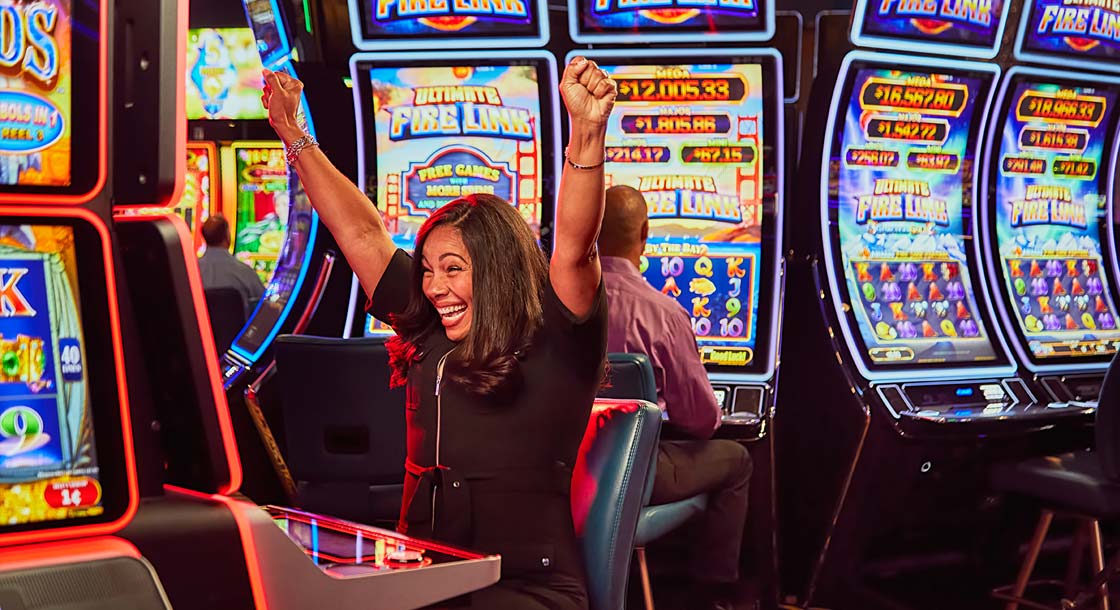
Bilder och Intryck av utländska casino 2025 eurocasinocash.com
utländska casino 2025 eurocasinocash.com i Korthet
| Feature | Details |
|---|---|
| Bonus offer | 20 spins + 50% match (40x wagering) |
| Restricted countries | Sweden, UK, Germany |
| Popular slot | Gates of Olympus (Big win 127,500 kr) |
| Bonus | Welcome offer 200 up to 250 |
| Withdrawal limits | Up to 200/month |
Vad behöver du veta om utländska casino 2025 trusted?
Är utländska casino 2025 eurocasinocash.com en legitim och säker casinooperatör?
Ja, utländska casino 2025 eurocasinocash.com är en licensierad operatör som följer strikta regler och använder krypterad teknik för att skydda dina uppgifter. Licensen är utfärdad av Spelinspektionen.
Hur kan jag kontakta utländska casino 2025 eurocasinocash.coms kundsupport?
Du når kundsupporten via livechatt, e-post och telefon dygnet runt. Kontaktuppgifterna finns på hemsidan under sektionen för support.
Vad ska jag göra om jag upplever problem med ett uttag?
Kontakta först kundsupporten för hjälp. Om ärendet inte löses kan du vända dig till spellicensmyndigheten eller en oberoende tvistlösningsorganisation.
Finns det några kända klagomål mot utländska casino 2025 eurocasinocash.com?
utländska casino 2025 eurocasinocash.com har generellt sett få klagomål, och de flesta hanteras snabbt av supporten. Vi rekommenderar att du läser vår recension för att se sammanfattningen av användarfeedback.
Vilka betalningsmetoder stödjer utländska casino 2025 eurocasinocash.com och finns det avgifter?
utländska casino 2025 eurocasinocash.com erbjuder flera vanliga betalningsmetoder, inklusive kort, e-plånböcker och banköverföringar. De flesta insättningar är kostnadsfria, medan uttag kan ha en behandlingstid på upp till 24 timmar.
En recension av utländska casino 2025 eurocasinocash.com bör nämna kundsupportens kvalitet.
deposit 5 euro casino 2026 — förmånliga villkor
Kontakta stödlinjen för ansvarsfullt spelande via utländska casino 2025 eurocasinocash.com
Spel är endast för personer som fyllt 18 år. Spela ansvarsfullt och sätt upp tydliga gränser för både tid och pengar innan du börjar – kom ihåg att spel ska vara underhållning, inte ett sätt att vinna tillbaka förluster. utländska casino 2025 eurocasinocash.com uppmuntrar dig att använda de verktyg som finns för att hålla spelandet i schack. Spelinspektionen är den svenska tillsynsmyndigheten som reglerar spelmarknaden, och via Spelpaus.se kan du stänga av dig från allt licensierat spel i Sverige. Behöver du stöd eller rådgivning kan du kontakta Stödlinjen på 020-81 91 00 – hjälpen är kostnadsfri och finns där för dig.